
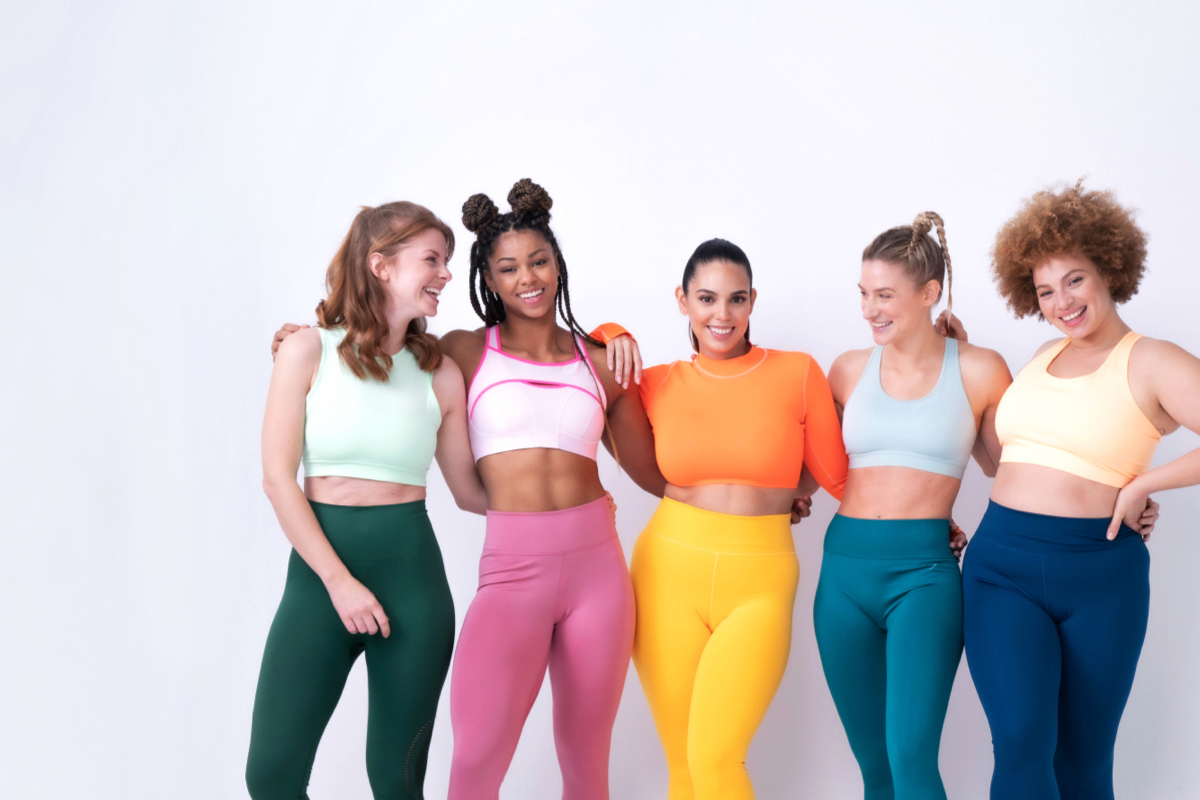
Are you not getting the same results as your friends from the same exercise program? There are plenty of reasons for that—genetics, body type, hormones or even lack of sleep!
Simply put, two people doing the exact same workout routine may end up with very different results.
Here are 8 common reasons why fitness results differ between individuals. Use this as a gentle reminder to focus on yourself and your own goals, and stop comparing yourself to others!

Not getting enough rest can sabotage your fitness goals, especially since sleep deprivation impacts the hormones that control hunger. Without adequate rest, you may find yourself reaching for more sugary and fatty snacks.
Lack of sleep also slows your metabolism, ultimately leaving you with little energy to complete a workout.
Some tips for prioritizing sleep include creating a relaxing bedtime ritual, shutting down all electronic devices and halting the consumption of caffeinated beverages after 3 P.M.
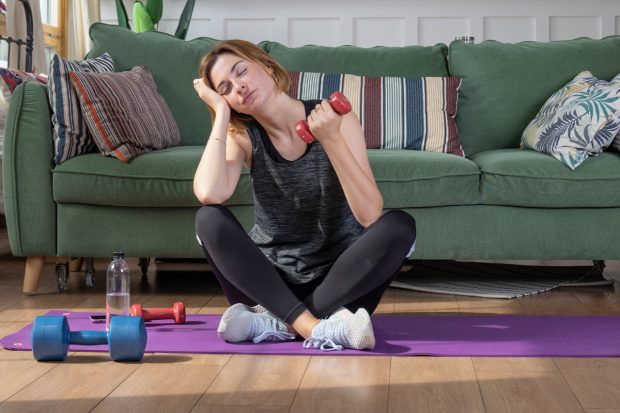
If you’ve been doing the same fitness routine over and over again, it’s high time to switch things up. When your body gets accustomed to the same movements, it will reach a plateau, which may stall or halt your fitness gains.
The only way to continually progress is to feel challenged in every single workout you face. When you start coasting through workouts, your body is no longer progressing. The only way to continually progress is to push yourself outside of your comfort zone. This occurs when you switch up your routine and try something new.

You may feel that you’ll stop making progress if you take a day off from training, but the truth is, overtraining can be just as harmful as doing too little.
If you’re working out so frequently that you’re feeling burnt out, it’s a sign that you’re training too often. It’s important to take breaks so your body can fully recover. This way, you’ll have enough energy to meet each new workout with full force.
And if you love training so much that you just can’t imagine taking a rest day, opt for active recovery instead.
Active recovery involves performing low-intensity exercises following a strenuous workout—things like yoga, walking and cycling. It’s a great way to keep your body moving while still giving it a much-needed break from intense exercise.
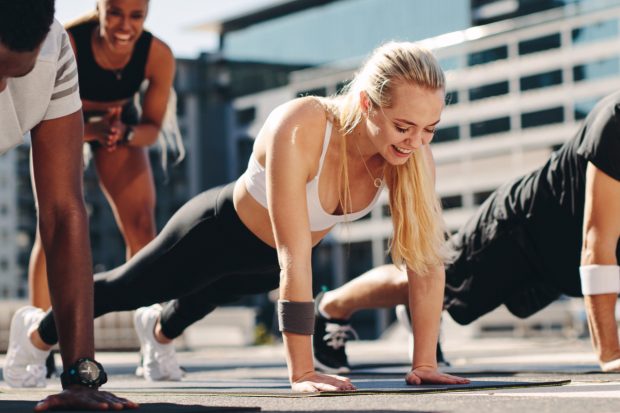
If you’re struggling to find the motivation to move, try out different styles of training until one sticks. Whatever you choose, it should make you feel good both mentally and physically.
And by all means, don’t worry about what’s trending or what everybody else is doing. Pick something for you! Keep trying new things, setting new goals and having fun with your workout buddy.
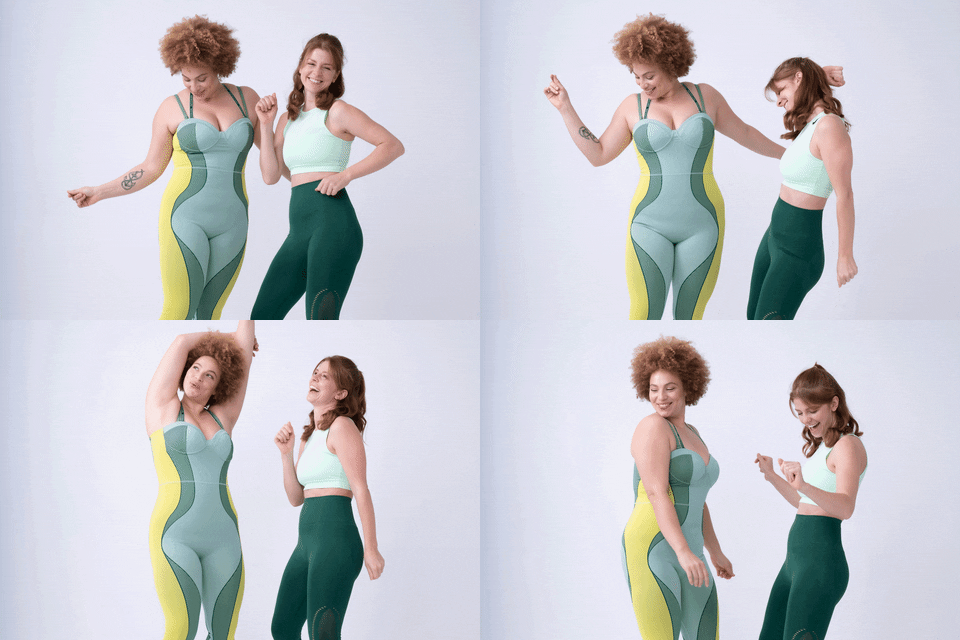
Life would be pretty boring if we all looked the same, thought the same and trained the same! With that said, how we’re made can sometimes impact our workouts. For example, your friend might be able to do more push-ups than you because she has more muscle mass than you do, but you can out-run her because your legs are longer.
Fitness is not about comparing yourself to others, it’s about feeling good. Use other’s strengths to inspire you, not to distract you. Besides, you have some strengths of your own!

If you’re relatively new to fitness, you might feel a lack of confidence around trainers, new exercises or weird machines at the gym. And trust me, you’re not alone.
Starting a new workout program can be intimidating, but if you stick with it, you’ll be surprised at how quickly you adapt! Just remember to be kind to yourself and know that you’re not alone in feeling this way.
Here are some tips to increase your confidence levels:
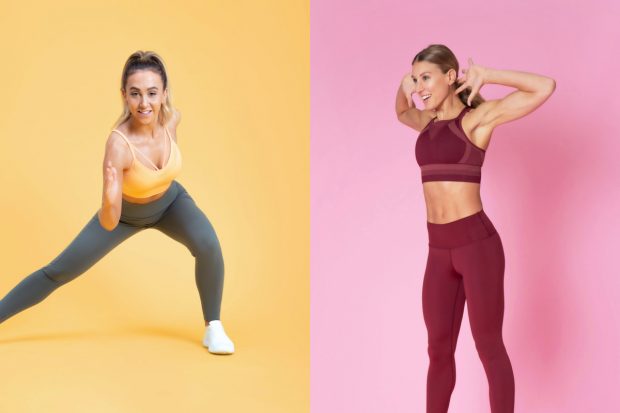
If your workout buddy has been training longer than you, it might be hard for you to compete.
The more experience you have with exercise, specifically strength training, the faster your muscle fibers are recruited during a workout. With more training experience, your nervous system becomes much more efficient at communicating with your muscle fibers.
However, the more you train, the harder it is to keep making gains. On the other hand, newbies tend to see drastic results in relatively little time. The reason muscle gains come so easily for newbies is because protein synthesis rates spike dramatically, which throws your body into muscle-building overdrive.
If you’ve been training longer, exercise will become easier but you’re not going to get the same gains at the same rate as someone completely new to fitness.
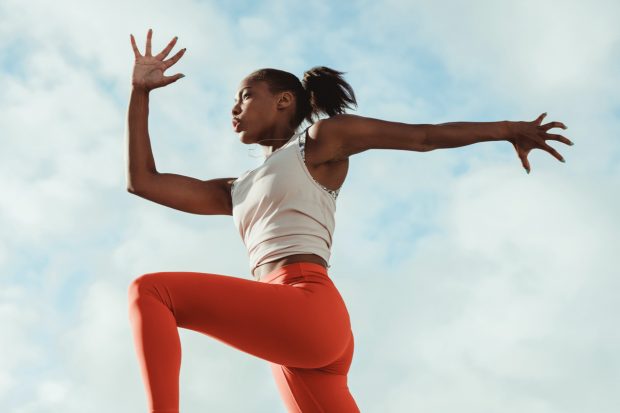
If you roll into the gym and just go through the motions, you might want to consider kicking it up a notch. According to a recent study, high-intensity interval training (HIIT) boosts strength and lean muscle mass more effectively than moderate-intensity workouts and burns up to 30% more calories.
Why the better results? Multi-joint movements commonly used in high-intensity workouts—think squats, deadlifts and push-ups—improve strength gains and recruit more muscle fibers.
The solution: Work out with purpose and power! Go hard enough to challenge your body every time you train.
It’s important to remember that there’s no “one” way to work out. Fitness looks different on everyone—our bodies respond differently to exercise. Just keep showing up and feeding yourself with positive self-talk.
Now that you realize there’s no one-size-fits-all approach to fitness, start your free 7-day trial with Gymondo and explore a huge variety of workout styles to keep you progressing in your training journey.

